When I started my internship at Bright Beginnings, morning drop-off was the hardest moment of the day. In a class of eighteen two-to-five-year-olds, arrivals stretched over twenty minutes: children hovered near the door, parents lingered, and the first learning block kept starting late with several kids still unsettled.
What was actually wrong
I spent a week just watching the routine before touching anything. The adults were all busy — greeting, comforting, redirecting — but the children had no visual anchor telling them what to do next. Every arrival was improvised, so every arrival needed an adult.
What I set up
With my lead teacher's agreement, I built a simple visual arrival routine:
- Name cards at child height by the door — each child moves their own card to "I'm here" on arrival.
- Cubby icons matching each child's card, so putting things away is self-serve even for the two-year-olds.
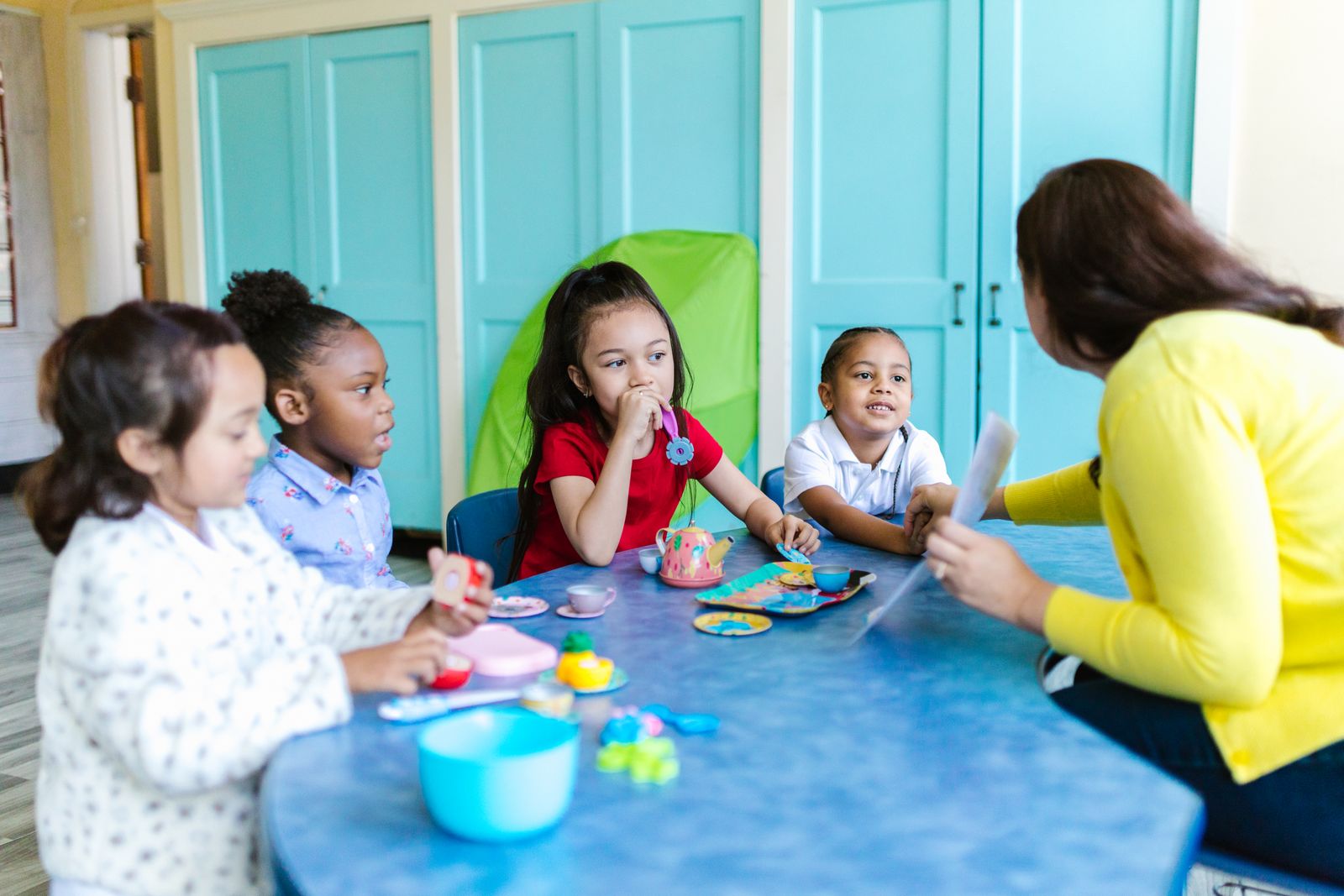
- A welcome table with a calm, familiar activity that changes weekly — a destination, so entering the room has a purpose.
- A one-minute handover ritual with parents: one sentence in, one sentence out. Warm but bounded.
I introduced it gradually, two or three children at a time, and coached our classroom volunteer on the same script so the routine held on my days off floor.
What changed
Within three weeks, arrival-to-first-activity dropped from about twenty minutes to under ten. The lead teacher noted calmer starts — fewer tears at the door, fewer children needing one-on-one settling. Parents picked up the ritual fast; several told us the predictable goodbye actually made their own mornings easier.
What I learned
I initially assumed the bottleneck was staffing — not enough adults at the door. It wasn't. Young children don't need more adults at transitions; they need to know what happens next. That reframing — design the environment, not the supervision — is something I now apply to every routine I touch.